Short answer: Cappadocia in winter is cold — January averages about -5°C to 5°C — with short days and a real chance of snow on the fairy chimneys, which is when the landscape is at its most dramatic. Balloons still fly when conditions allow, but December to March is when cancellations are most common, so give yourself spare mornings. Pack properly warm clothes.
Winter weather in Cappadocia
Cappadocia is a high plateau — Göreme sits between roughly 1,000 and 1,300 metres — so winters are genuinely cold, with frosty mornings and short afternoons. Long-term averages for the nearest major weather station (source) and the sun times in Göreme:
| Month | Avg. low | Avg. high | Sunrise | Sunset |
|---|---|---|---|---|
| December | -4°C | 7°C | 07:51 | 17:20 |
| January | -5°C | 5°C | 07:57 | 17:43 |
| February | -4°C | 7°C | 07:32 | 18:18 |
Does it snow in Cappadocia?
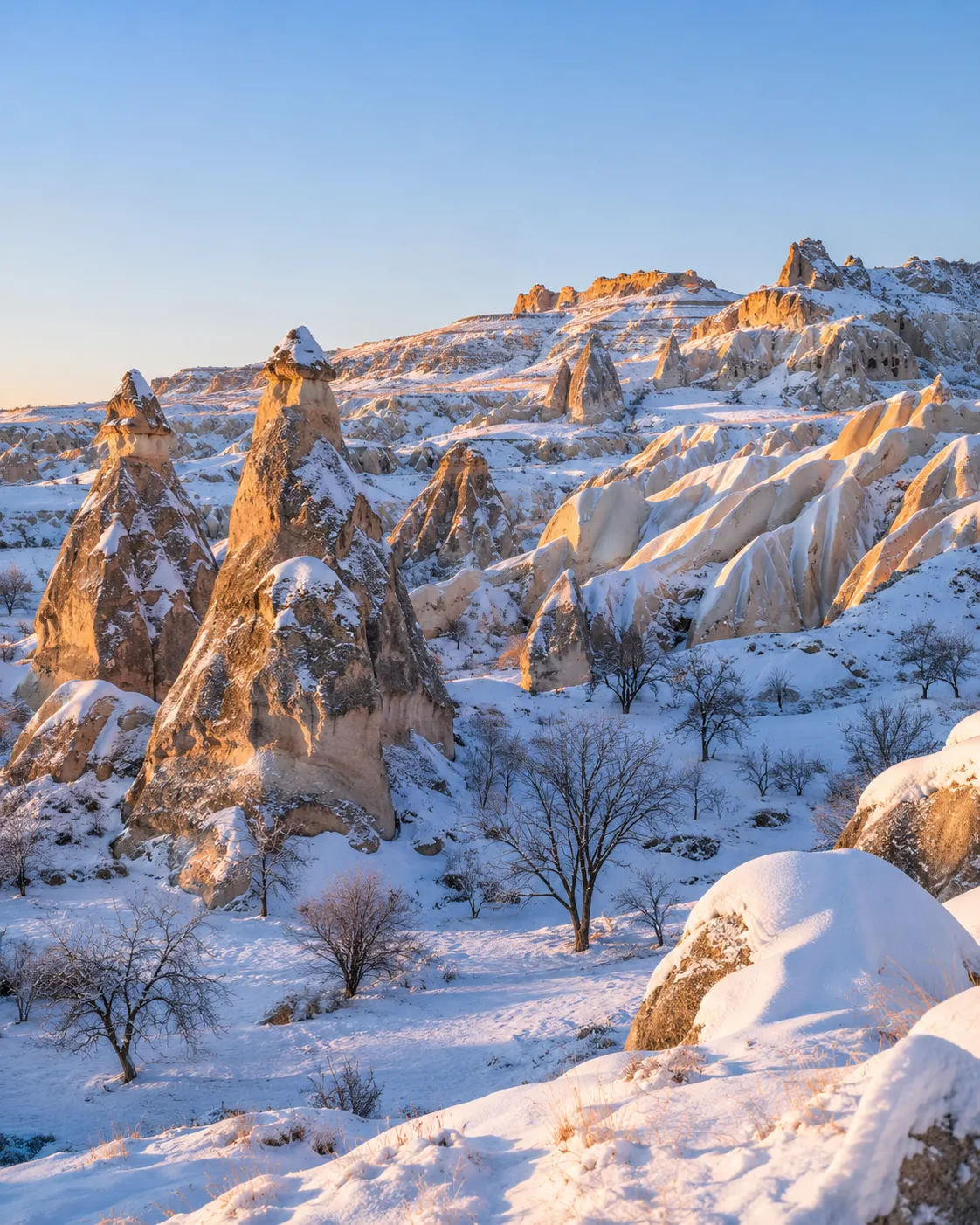
Yes. Snow can fall from late autumn into March and is most likely in mid-winter. When it settles, the valleys look completely different: white ridges, dark cave openings and fairy chimneys capped with snow. It doesn't snow every day, though — winter brings plenty of clear, crisp days too.
Hot air balloons in winter
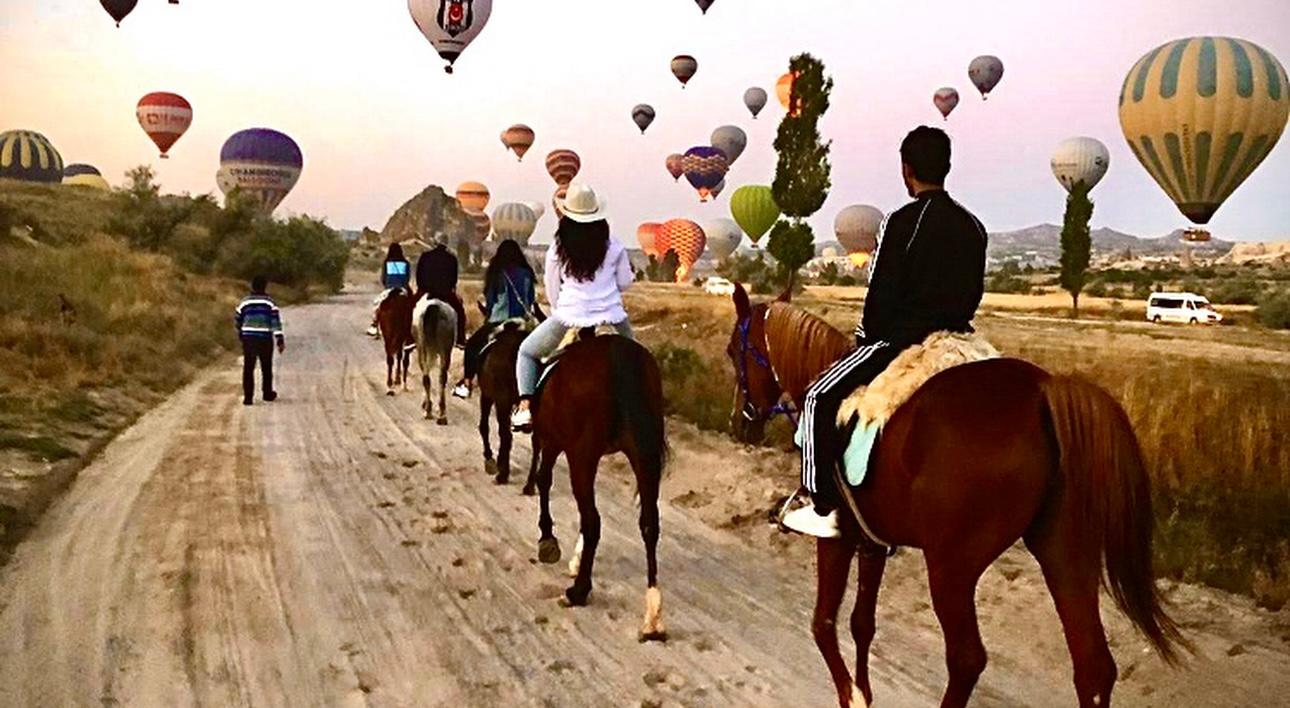
Balloons fly in winter when conditions allow, and a flight over snow is unforgettable. But winter is when wind, fog and snow ground them most often: Cappadocia averages flights on around 220 days a year, with cancellations clustering from December to March. Book the flight for your first morning and keep the others free. More in our Cappadocia hot air balloon guide.
What to do in Cappadocia in winter
- Göreme Open Air Museum — rock-cut churches and frescoes, part of the Göreme National Park UNESCO World Heritage site.
- An underground city such as Derinkuyu or Kaymaklı — sheltered from the wind and snow.
- The viewpoints in the snow — Uçhisar Castle and the ridges above Göreme are at their most striking after a snowfall.
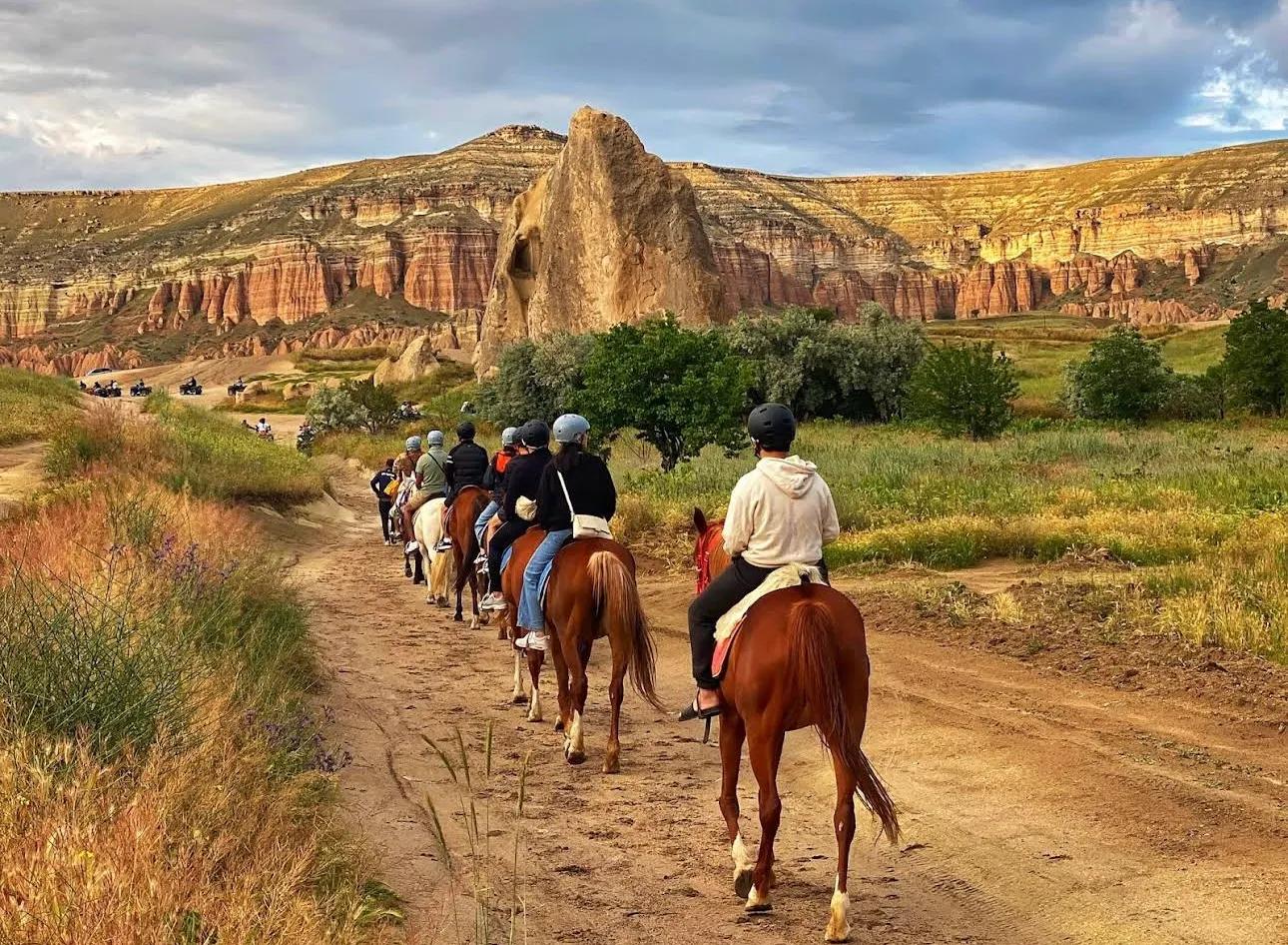
- A ride through the snowy valleys. We ride year-round; a daytime or sunset ride catches the warmest hours. Snow and ice change the ground underfoot, so conditions on the day decide where and how we ride.
- A cave hotel. Thick rock walls make them cosy retreats on cold evenings.
Short days: plan around the light
In December the sun sets around 17:20 and rises around 07:50, so you have under ten hours of daylight. Start outdoor plans by late morning, when the frost has lifted, and save museums and underground cities for the coldest parts of the day. See Cappadocia sunrise and sunset times for the rest of the year.
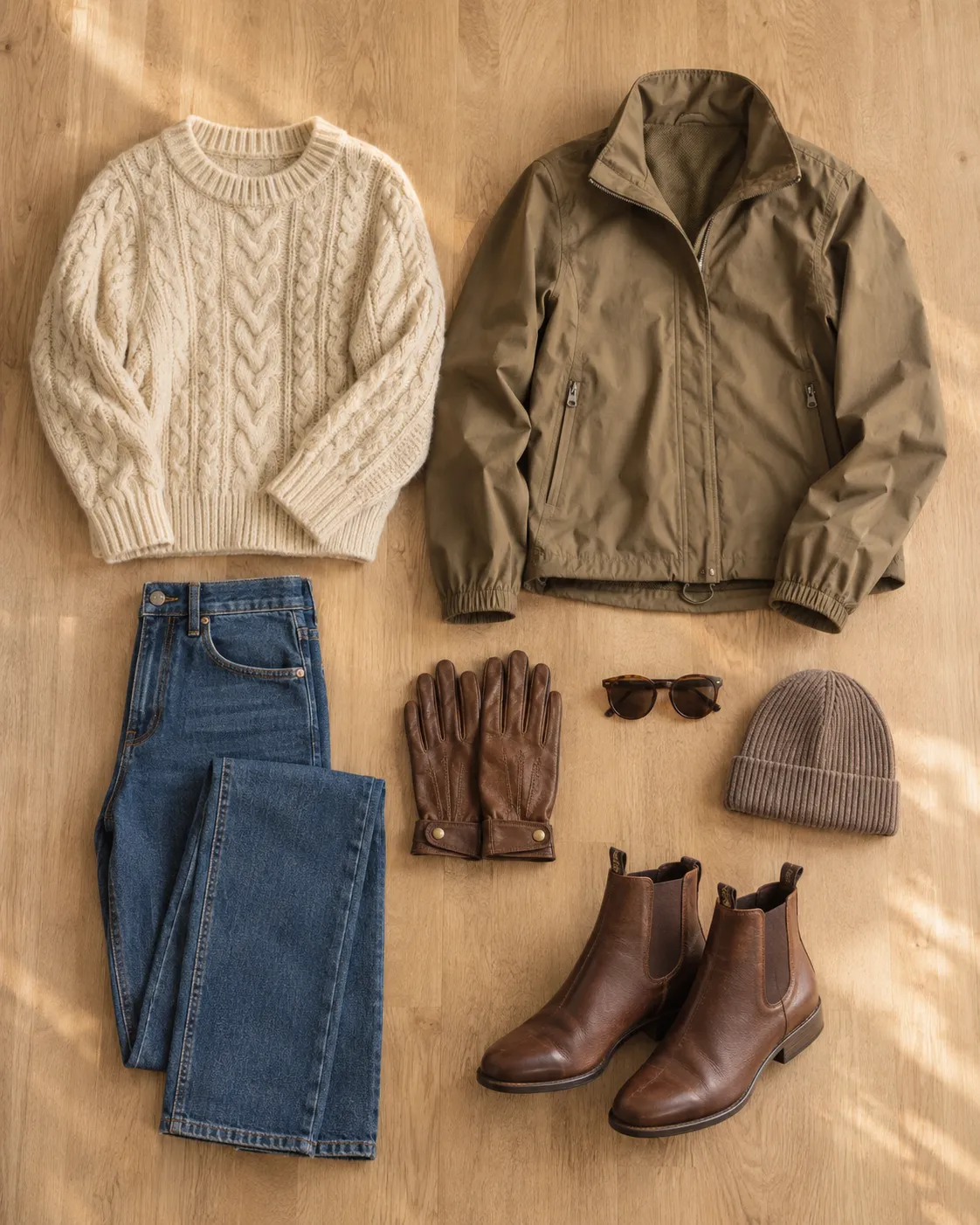
What to pack
- Thermal base layers, top and bottom
- A warm, windproof coat
- Gloves, a hat and a scarf
- Waterproof boots with good grip — paths can be icy
- Warm socks
There's a full season-by-season list in what to wear in Cappadocia.
Is winter a good time to visit?
If you love snow and don't mind the cold, winter is a special time — the landscape is at its most dramatic. If you want mild weather and the best odds for balloons, late spring and autumn are easier. Compare every month in the best time to visit Cappadocia.
Frequently asked questions
How cold is Cappadocia in winter?
Cold — January averages roughly −5°C to 5°C, and nights can drop much lower. Mornings are well below freezing.
Does it snow in Cappadocia in December?
It can. Snow is possible from late autumn into March and is most likely in mid-winter, though there are plenty of clear days too.
Do hot air balloons fly in Cappadocia in winter?
Yes, when conditions allow — but December to March is when cancellations are most common, so keep spare mornings in your plan.